
Store layout optimization is a crucial aspect of the retail industry that directly impacts customer experience and sales performance. By understanding how different layout types affect consumer behavior, retailers can create spaces that not only attract customers but also encourage them to explore and purchase products. This strategic alignment of design and functionality can lead to increased foot traffic, improved accessibility, and ultimately, a more satisfying shopping experience.
Moreover, various factors play a role in determining the most effective store layout, including traffic patterns, consumer demographics, and technological advancements. As retail spaces evolve, staying ahead of trends and employing innovative solutions will be key for businesses seeking to maximize their potential through optimized layouts.
Understanding Store Layout Optimization
Store layout optimization plays a crucial role in the retail industry, significantly impacting sales performance and customer experience. A well-structured store layout not only enhances visibility of products but also influences the flow of foot traffic, which can lead to increased purchases. By understanding various layout types, retailers can strategically design their spaces to cater to customer behavior and expectations.
Significance of Store Layout Optimization
An optimized store layout can increase customer satisfaction and drive sales by making it easier for shoppers to navigate and find products. Different layouts, such as grid, racetrack, and boutique, each have unique effects on shopper behavior. For instance, a grid layout is efficient for grocery stores, as it allows easy access to products, while a racetrack layout enhances the shopping experience in department stores by guiding customers through high-margin areas.
Types of Store Layouts and Customer Behavior
Retailers utilize various store layouts to achieve specific objectives, impacting customer behavior in different ways:
- Grid Layout: Common in grocery stores, this layout maximizes shelf space while allowing straightforward navigation.
- Racetrack Layout: Used in larger retail spaces, it creates a path for customers to follow, encouraging exploration.
- Free-Form Layout: This flexible layout is popular in boutique stores, creating an inviting atmosphere that encourages browsing.
Factors Influencing Store Layout Decisions
Several factors must be considered when designing a store layout, including:
- Target Audience: Understanding customer demographics helps tailor the layout to their preferences.
- Store Size: The physical space available influences the type of layout that can be implemented.
- Product Categories: Grouping similar products together can enhance customer shopping efficiency.
Best Practices for Store Layout Design
Designing an effective store layout involves adhering to several best practices that enhance the customer experience and streamline operations. These practices help ensure that the store is both functional and visually appealing.
Effective Store Layout Design Techniques
Implementing the following techniques can lead to a successful store layout:
- Plan for Traffic Flow: Ensuring a logical flow keeps customers moving through the store, enhancing their shopping experience.
- Maximize Visibility: Place high-demand items at the back of the store, encouraging customers to pass by other products.
- Utilize Strategic Signage: Clear signage helps guide customers to different areas, improving navigability.
Role of Traffic Flow in Customer Experience
Traffic flow is pivotal in creating a positive shopping experience. A well-planned flow allows customers to navigate the store without confusion, leading to better engagement with products. Additionally, strategic placement of displays and aisles can direct foot traffic toward high-margin items.
Importance of Accessibility in Store Layout
Accessibility is a key component of store layout design, ensuring that all customers, including those with disabilities, can easily navigate the space. This includes:
- Wider aisles for wheelchair access.
- Accessible checkout areas.
- Clear signage at various heights for visibility.
Technology in Store Layout Optimization
The integration of technology in store layout optimization has transformed the retail landscape, providing innovative tools for data-driven decisions.
Technology Tools for Store Layout Optimization
Retailers now employ various technological solutions to enhance their layout strategies:
- Store Design Software: Tools like AutoCAD and SketchUp allow for the creation of detailed layout plans.
- Heat Mapping Technology: This technology tracks customer movement patterns, helping retailers understand which areas attract the most traffic.
- Mobile Apps: Apps can assist customers in navigating complex store layouts, enhancing their shopping experience.
Data Analytics to Improve Layout Decisions
Data analytics provides crucial insights into customer behavior, enabling retailers to make informed layout decisions. By analyzing sales data and foot traffic patterns, retailers can adjust their layouts to optimize sales performance and customer satisfaction.
Role of Virtual Reality in Designing Store Layouts
Virtual reality (VR) has emerged as a groundbreaking tool in store layout design. Retailers can create immersive simulations of their layouts, allowing them to evaluate customer interactions before actual implementation. This not only saves time but also minimizes the risk of costly redesigns post-launch.
Impact of Store Layout on Business Innovation
Innovative store layouts can significantly enhance brand identity and foster customer loyalty. By rethinking traditional designs, retailers can create unique shopping experiences that set them apart from competitors.
Innovative Store Layouts and Brand Identity
A distinctive store layout can strengthen brand identity, making it memorable for customers. Brands like Apple and Tesla utilize open, inviting layouts that reflect their innovative ethos, encouraging customer engagement and brand loyalty.
Correlation Between Store Design and Customer Loyalty
There is a strong relationship between effective store design and customer loyalty. A well-designed store fosters a comfortable shopping environment, leading to increased repeat visits and long-term customer relationships.
Emerging Trends in Retail Layouts
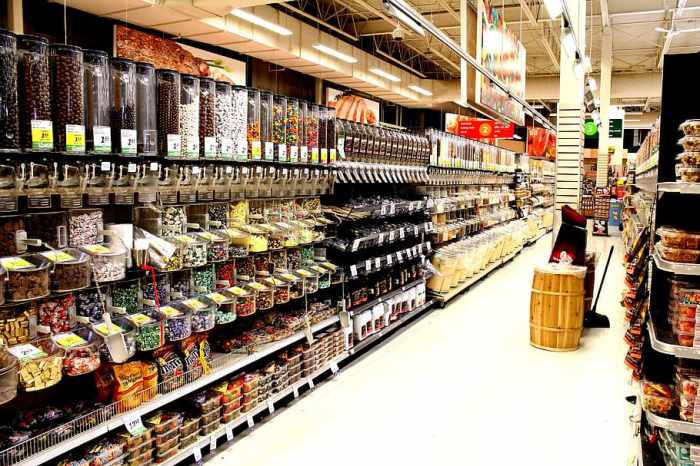
Retail layouts are continually evolving, with trends such as experiential spaces and eco-friendly designs gaining traction. Retailers are now incorporating sustainable materials and interactive displays to enhance customer engagement and align with modern consumer values.
International Perspectives on Store Layout
Store layout strategies vary widely across different countries, influenced by cultural factors and consumer behavior.
Store Layout Strategies in Different Countries
Global retailers adapt their layout strategies to meet local preferences. For example, in Japan, compact layouts maximize space efficiency, while in the U.S., larger stores may feature more spacious layouts to encourage exploration.
Cultural Factors Affecting Store Layout Optimization
Cultural norms and shopping habits play a significant role in shaping store layouts. In countries with a strong emphasis on customer service, layouts may include more space for staff interactions, while in self-service cultures, efficiency and navigation take precedence.
Standardization vs. Localization of Store Layouts
While global brands often standardize their layouts for consistency, they also adapt to local markets to resonate with cultural preferences. This balance between standardization and localization ensures that the brand remains recognizable while catering to local tastes.
Store Layout in the Restaurant Industry
Restaurant layouts are crucial for optimizing customer flow and enhancing dining experiences.
Layout Optimization and Customer Flow in Restaurants
The layout of a restaurant directly influences customer flow, affecting wait times and overall satisfaction. An efficient layout facilitates smooth service and enhances the dining experience, leading to increased patronage.
Differences in Layout Design Between Fast Food and Fine Dining
Fast food restaurants prioritize speed and efficiency, often utilizing simple layouts that facilitate quick service. In contrast, fine dining establishments focus on creating an inviting ambiance, with layouts designed to promote a leisurely dining experience.
Impact of Layout on Kitchen Efficiency and Service Speed
A well-planned kitchen layout is essential for minimizing delays and enhancing service speed. Efficient workflows in the kitchen can significantly impact the overall dining experience, ensuring timely food preparation and delivery.
Marketing Strategies Related to Store Layout
Marketing techniques that leverage store layout can significantly increase sales and enhance customer engagement.
Marketing Techniques Utilizing Store Layout
Retailers employ various marketing techniques to strategically use store layouts:
- Product Placement: High-demand items are strategically placed to maximize visibility and impulse buys.
- Themed Displays: Seasonal or thematic displays can attract customer interest and drive traffic to specific areas.
- Cross-Merchandising: Grouping related products together encourages customers to purchase complementary items.
Role of Visual Merchandising in Layout Optimization
Visual merchandising plays a critical role in store layout optimization by enhancing product presentation and creating an appealing shopping environment. Effective visual displays can capture attention and drive sales, turning casual shoppers into buyers.
Case Studies of Successful Marketing Campaigns
Retailers such as IKEA have successfully utilized their store layouts to enhance marketing efforts. By designing their stores as walkable showrooms, they encourage customers to envision products in their homes, leading to increased purchases.
Business Networking and Store Layout Optimization
Networking with other businesses can inspire innovative store layouts and foster collaboration for effective implementation.
Inspiration from Networking with Other Businesses
Engaging with other businesses can provide fresh ideas and insights into effective store layout strategies. Collaborations can lead to the sharing of best practices, resulting in enhanced store experiences.
Importance of Collaboration in Implementing Layout Changes
Collaboration among staff and management is vital for successful layout changes. Engaging employees in the design process fosters a sense of ownership and ensures that layout changes align with operational needs.
Examples of Partnerships Enhancing Store Layouts
Partnerships with design firms or technology providers can lead to innovative store layouts. Retailers that collaborate with experts in the field benefit from advanced insights and solutions tailored to their specific needs.
Risk Management in Store Layout Changes
Changing a store layout carries inherent risks that need to be managed effectively.
Potential Risks Associated with Store Layout Changes
Store layout changes can lead to disruptions, impacting customer experience and sales. Risks may include:
- Customer confusion due to unfamiliar layouts.
- Operational disruptions during the transition.
- Financial implications of redesigning the space.
Strategies for Mitigating Risks
To mitigate risks when optimizing store layouts, retailers can implement:
- Conducting pilot tests with small-scale changes before full implementation.
- Gathering customer feedback to inform layout decisions.
- Training staff to guide customers through changes.
Examples of Businesses Overcoming Layout Redesign Challenges
Retailers like Target have faced challenges during layout redesigns yet successfully navigated them by engaging customers in the process, utilizing feedback to fine-tune their layouts, and ensuring a seamless transition.
Team Building for Successful Store Layout Implementation
Effective collaboration among team members is crucial for the successful design and implementation of store layouts.
Role of Team Collaboration in Layout Design
Team collaboration ensures that all perspectives are considered when designing a store layout. By involving various departments, retailers can create a more holistic approach that addresses operational needs and enhances customer experience.
Techniques for Fostering a Cooperative Environment
To foster a supportive environment during layout changes, retailers can:
- Organize brainstorming sessions to gather input from staff.
- Encourage open communication about layout changes.
- Recognize and reward contributions from team members.
Training Programs for Employees
Implementing training programs that prepare employees for new store layouts is essential. Such programs can include:
- Workshops on navigating the new layout.
- Role-playing scenarios to enhance customer interaction skills.
- Instruction on using technology tools related to the layout.
Business Presentation of Store Layouts
Effectively communicating store layout designs to stakeholders is critical for gaining support and ensuring smooth implementation.
Framework for Presenting Store Layout Designs
When presenting store layout designs, it is essential to follow a structured framework that includes:
- Clear objectives outlining the purpose of the redesign.
- Visual aids such as floor plans and 3D renderings.
- Data supporting the benefits of the proposed layout.
Elements to Include in a Layout Presentation
A comprehensive layout presentation should include:
- Overview of the current layout and identified issues.
- Proposed changes with visual representation.
- Expected outcomes and benefits for customer experience and sales.
Communicating Layout Changes to Employees and Customers
Effective communication of layout changes involves:
- Regular updates to staff about the redesign timeline.
- Engaging customers through social media and in-store signage.
- Providing opportunities for feedback during the transition period.
Enhancing Business Productivity through Store Layout
An effective store layout can significantly improve operational efficiency and productivity within a retail environment.
Improving Operational Efficiency with Effective Layouts
A well-planned store layout minimizes unnecessary movements and streamlines workflows, leading to enhanced operational efficiency. Clear pathways and logical organization of products contribute to quicker restocking and inventory management.
Link Between Layout Design and Employee Productivity
The layout of a store can directly impact employee productivity. By reducing clutter and creating organized spaces, employees can focus more on customer service and less on navigating their environment.
Case Studies of Productivity Improvements
Retailers such as Walmart have improved their productivity through layout optimization, resulting in faster service times and higher employee satisfaction due to clearer workflows and reduced stress.
Sales Management and Store Layout
The layout of a store plays a pivotal role in influencing sales performance and customer interactions.
Store Layout’s Influence on Sales Performance
Research indicates that store layout can directly affect sales figures. Strategic placement of merchandise and promotional displays can lead to increased impulse purchases and overall sales growth.
Strategies for Adjusting Layouts Based on Sales Data
Retailers can use sales data to inform layout adjustments. For instance:
- Analyzing peak sales times to optimize staff allocation and product placement.
- Identifying underperforming areas and redesigning them to attract more traffic.
- Utilizing customer feedback to refine layout strategies.
Training Sales Teams on Layout Importance
Training sales teams to understand the significance of layout in customer interactions can enhance their effectiveness. This includes:
- Educating staff on how layout influences customer flow and purchasing behavior.
- Providing techniques for guiding customers through the store.
- Encouraging staff to leverage layout knowledge to enhance customer engagement.
Small Business Store Layout Strategies
Small businesses face unique challenges in store layout optimization but can implement innovative strategies to enhance their spaces.
Unique Challenges for Small Businesses
Small retailers often contend with limited space and resources, making effective layout design crucial. Challenges include:
- Maximizing product visibility within confined spaces.
- Creating a welcoming atmosphere despite size limitations.
- Balancing inventory management with customer experience.
Innovative Layout Ideas for Small Retail Spaces
Small businesses can adopt several innovative layout ideas:
- Pop-Up Displays: Utilizing temporary displays can create visual interest without permanent changes.
- Multi-Functional Spaces: Design areas that serve multiple purposes, such as a checkout area that also displays promotional items.
- Flexible Fixtures: Use movable fixtures to accommodate seasonal changes in inventory.
Cost-Effective Methods for Implementing Layout Changes
Cost-effective methods for small businesses to implement layout changes include:
- Leveraging reusable fixtures that can be easily adapted.
- Involving employees in the design process to generate ideas without additional costs.
- Utilizing social media to gauge customer preferences before implementing changes.
Epilogue
In conclusion, mastering store layout optimization can significantly enhance both customer engagement and operational efficiency. By leveraging best practices, embracing technology, and understanding market trends, retailers can craft environments that resonate with their clientele. As the retail landscape continues to change, a keen focus on layout will ensure that businesses not only meet but exceed customer expectations, driving growth and loyalty in an increasingly competitive market.
Questions Often Asked
What is store layout optimization?
Store layout optimization involves designing retail spaces to enhance customer experience and maximize sales by strategically arranging products and pathways.
How does store layout affect customer behavior?
The layout influences how customers navigate the store, what products they notice, and how long they stay, ultimately impacting their purchasing decisions.
What are common types of store layouts?
Common types include grid layout, racetrack layout, and free-form layout, each with unique effects on shopper flow and interaction.
How can technology aid in store layout optimization?
Technology tools like data analytics, virtual reality, and design software help retailers make informed layout decisions based on customer behavior and trends.
What are the benefits of optimizing store layouts?
Benefits include improved customer satisfaction, increased sales, enhanced brand identity, and better operational efficiency.


