
Access control systems are essential tools in today’s security landscape. They manage who can enter or exit specific areas, making them vital for protecting sensitive information, assets, and personnel.
With various types of systems available, from keycards to biometric scans, businesses across different sectors implement them to improve safety and streamline operations. Understanding these systems can help organizations leverage their capabilities to enhance security while driving innovation.
Access Control Systems Overview
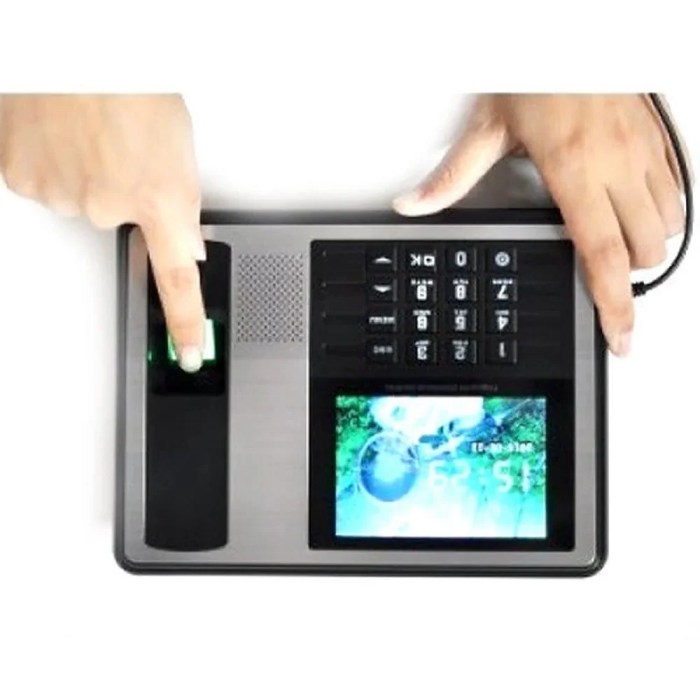
Access control systems are essential components in the realm of security management, designed to regulate who can access certain resources within an organization. These systems are not only pivotal for safeguarding physical and digital assets but also play a critical role in maintaining overall organizational safety. By controlling access, businesses can prevent unauthorized entry, ensuring the integrity of sensitive information and environments.Various types of access control systems cater to different needs and applications.
These include:
- Physical Access Control Systems: These involve locks, card readers, and biometric scanners that restrict entry to physical locations.
- Logical Access Control Systems: These systems manage who can access certain data or services in IT environments, typically using passwords, two-factor authentication, and user roles.
- Role-Based Access Control (RBAC): A method that assigns permissions based on user roles within an organization, enhancing security and efficiency.
Industries such as healthcare, education, finance, and hospitality significantly benefit from access control systems. For instance, hospitals use biometric systems to safeguard patient records, while educational institutions implement access cards to manage entry into buildings.
Business Innovation in Access Control
Innovative technologies are reshaping access control systems, making them smarter and more efficient. Advancements such as artificial intelligence, machine learning, and IoT integration are pivotal in enhancing security measures and user experience. Businesses can leverage these new access control solutions to improve operational efficiency by:
- Streamlining entry processes through mobile access or facial recognition.
- Utilizing real-time monitoring to quickly identify and respond to security threats.
- Automating access permissions adjustments based on changing user roles or project needs.
A relevant case study is that of a tech company that implemented IoT-enabled access control systems, resulting in a 30% reduction in security incidents and improved employee satisfaction due to seamless access experiences.
International Business and Access Control
Implementing access control systems in international markets presents several challenges. These include cultural differences, varying security needs, and technological disparities. Moreover, compliance with local regulations and standards regarding data privacy and security is crucial. To navigate these complexities, companies must be well-versed in compliance issues and regulations that affect access control across borders. For example, the General Data Protection Regulation (GDPR) in Europe mandates strict controls over personal data access and usage, influencing how access control systems are structured.Successful international companies, such as multinational banks, effectively manage access control by implementing standardized systems that comply with local laws while maintaining flexibility to cater to local security needs.
Access Control in Business Management
Integrating access control systems within business management practices is crucial for enhancing security and operational efficiency. A structured framework for this integration includes:
- Assessment of Security Needs: Identify critical assets and potential risks to tailor access controls accordingly.
- Strategic Implementation: Deploy access control solutions in phases, ensuring minimal disruption to business operations.
- Continuous Monitoring and Adjustment: Regularly review access control effectiveness and make necessary adjustments based on evolving security threats.
Access control plays an essential role in risk management and security strategy as it helps mitigate potential threats and unauthorized access. Key metrics for evaluating the effectiveness of access control systems include incident response times, the number of unauthorized access attempts, and user satisfaction levels.
Marketing Access Control Solutions
A robust marketing strategy for promoting access control systems should focus on identifying the unique needs of potential clients. Key components of this strategy include:
- Target Audience Segmentation: Identify specific industries and business sizes that would benefit most from access control solutions.
- Value Demonstration: Showcase success stories and case studies that highlight the benefits and ROI of implementing these systems.
- Educational Content: Provide resources that inform potential clients about the importance of access control and best practices for implementation.
By effectively communicating the value of access control systems, businesses can enhance their reach and influence in the marketplace.
Business Networking and Access Control
Access control is integral to maintaining network security within organizations. The interplay between access control systems and networking technologies ensures that sensitive data remains protected from unauthorized access. Best practices for integrating these systems include:
- Implementing firewalls and intrusion detection systems alongside access control measures.
- Regularly updating security protocols and software to combat emerging threats.
- Training employees on the importance of network security and access control adherence.
Networking can significantly enhance access control system effectiveness by allowing for centralized management and real-time monitoring of access events.
Outsourcing Access Control Services
Outsourcing access control services can offer numerous benefits, including cost savings, access to expertise, and scalability. However, it also presents challenges, such as potential communication barriers and loss of direct control over security processes. When selecting an outsourcing partner for access control solutions, businesses should consider:
- Experience and expertise in the specific access control technologies being implemented.
- Reputation and reviews from previous clients.
- Scalability options to accommodate future growth.
Best practices for managing outsourced access control services include establishing clear communication channels and setting well-defined performance metrics.
Business Presentations on Access Control
Creating a compelling business presentation focused on access control systems requires a well-structured approach. A recommended structure includes:
- Introduction: Briefly Artikel the purpose of the presentation and the importance of access control.
- Key Concepts: Use visual aids such as charts and graphs to illustrate the effectiveness of access control solutions.
- Case Studies: Present real-life examples that demonstrate the benefits of implementing access control systems.
- Q&A Session: Engage the audience by addressing their questions and concerns.
Utilizing effective visual aids and engaging the audience fosters a deeper understanding of access control concepts.
Enhancing Business Productivity with Access Control
Access control systems can significantly improve overall productivity in a business setting. By streamlining access processes, organizations can minimize downtime and enhance employee satisfaction. Workflows that benefit from streamlined access control processes include:
- Automated check-ins at secure locations.
- Seamless access to necessary resources based on user roles.
- Reduction in administrative tasks related to managing physical keys or codes.
Automated access control solutions not only save time but also promote a more efficient and satisfied workforce.
Access Control in the Restaurant Industry
The restaurant industry has specific access control needs to ensure the safety of patrons and staff. Effective access control can enhance security in hospitality settings through:
- Utilizing keyless entry systems for staff areas.
- Implementing surveillance systems to monitor access points.
- Restricting access to sensitive areas, such as kitchens and storage rooms.
Examples of tailored access control solutions for restaurants include biometric systems for staff and digital keys for management.
Resumes and Cover Letters for Careers in Access Control
Crafting a standout resume for access control jobs involves highlighting relevant skills and experiences. Key tips include:
- Emphasizing technical skills related to security systems and technologies.
- Detailing relevant certifications or training in access control fields.
- Demonstrating problem-solving abilities through real-world examples.
Tailored cover letters should address specific roles within access control companies, showcasing an understanding of the industry and enthusiasm for contributing to security advancements.
Access Control in Business Retail
Retail environments face unique challenges in access control, including managing high foot traffic and preventing theft. Technologies that enhance access control in retail settings include:
- RFID systems for managing inventory and access to stock rooms.
- Mobile access control solutions for staff to manage entry efficiently.
- Integrated surveillance systems to monitor access points.
Successful case studies of access control implementations in retail operations illustrate how these solutions can significantly reduce loss and increase operational efficiency.
Risk Management and Access Control
The relationship between risk management and access control systems is vital for businesses seeking to secure their assets. Methods for assessing risks associated with access control failures include:
- Conducting regular security audits to identify vulnerabilities.
- Evaluating the effectiveness of current access control measures.
- Establishing clear policies and procedures for access control operations.
A checklist for evaluating access control risk management strategies can help businesses ensure comprehensive coverage of potential risks.
Sales Management in Access Control
To sell access control systems effectively, key strategies include:
- Understanding the unique needs of clients and tailoring solutions accordingly.
- Leveraging customer relationship management tools to maintain client interactions.
- Training sales teams on the technical aspects of access control solutions to enhance their expertise.
Insights on developing a strong sales approach can significantly impact the success of access control solutions in the market.
Access Control Teleselling Techniques
A guide for teleselling access control systems should focus on effective communication and value demonstration. Best practices include:
- Establishing a clear agenda for the call to maintain focus.
- Using storytelling techniques to highlight success cases and benefits.
- Preparing effective scripts that address potential client concerns and objections.
Effective teleselling requires a balance of information and engagement to convert leads into customers.
Sales Training for Access Control Systems
Designing a sales training program tailored for access control systems involves several key elements:
- Providing in-depth product knowledge to equip sales teams with essential insights.
- Incorporating role-playing scenarios to simulate real sales situations.
- Implementing assessments to evaluate the effectiveness of training efforts.
Sales training should continuously evolve to meet the changing landscape of access control technologies.
Business Security and Access Control
Access control plays a critical role in overall business security strategies. Best practices for integrating access control into a comprehensive security plan include:
- Conducting threat assessments to determine access control needs.
- Implementing layered security measures for enhanced protection.
- Training employees on security best practices related to access control.
Security breaches can often be mitigated with proper access control measures in place, demonstrating the importance of such systems.
Small Business Considerations for Access Control
Small businesses often have specific access control needs that differ from larger organizations. Cost-effective solutions suitable for small enterprises include:
- Cloud-based access control systems that reduce upfront costs.
- Mobile access solutions that eliminate the need for physical keys.
- Integrated systems that combine surveillance with access control.
Success stories of small businesses that improved security through access control highlight the effectiveness of tailored solutions.
Solo Professionals and Access Control
Solo professionals face unique access control challenges, primarily due to limited resources and security needs. Tips for securing workspaces effectively include:
- Utilizing simple yet effective access control solutions, such as smart locks.
- Implementing basic surveillance systems to monitor home offices or studios.
- Establishing clear protocols for accessing sensitive client information.
These strategies can help independent workers protect their workspaces without significant investments.
Strategic Planning for Access Control Implementation
A strategic plan framework for implementing an access control system should include:
- Identifying key stakeholders and involving them in the planning process.
- Establishing clear goals and objectives for the implementation.
- Creating a timeline and budget for deployment and ongoing management.
Evaluating the success of access control implementation over time ensures ongoing effectiveness and adaptability.
Team Building and Access Control Systems
Access control can impact team dynamics and collaboration within organizations. Fostering a culture of security awareness among teams is essential. Methods to achieve this include:
- Regular training sessions on the importance of access control and security practices.
- Encouraging open discussions about security concerns among team members.
- Organizing team-building activities designed to emphasize the importance of security.
These initiatives can enhance team cohesion while ensuring a strong security posture.
Venture Capital and Access Control Innovations
Venture capital plays a crucial role in funding innovations within the access control sector. Trends attracting venture investment include:
- Advancements in biometric technologies.
- Integration of AI and machine learning for predictive security measures.
- Development of mobile access solutions and IoT applications.
Case studies of startups in the access control space that received venture capital support illustrate the potential for growth and innovation in this field.
Workplace Communication and Access Control
Access control systems can significantly impact workplace communication and collaboration. Effective communication of access control policies within organizations is vital for compliance. Tips for enhancing communication include:
- Distributing clear and concise access control guidelines to all employees.
- Utilizing digital platforms for updates and reminders about security practices.
- Encouraging feedback on access control processes to improve clarity and effectiveness.
By integrating access control communication into everyday practices, organizations can foster a culture of security awareness.
Workplace Safety and Access Control
Access control plays a pivotal role in ensuring workplace safety. Best practices for combining access control with safety protocols include:
- Implementing emergency access protocols for critical situations.
- Regularly training employees on safety procedures related to access control.
- Conducting safety drills to ensure preparedness in case of security breaches.
Case studies of businesses that improved safety through effective access control systems demonstrate the significant impact these measures can have.
Closing Notes
In summary, access control systems play a pivotal role in modern business environments. By implementing the right system, organizations not only secure their premises but also optimize workflows, boost productivity, and foster a culture of safety and compliance.
FAQ Insights
What are the main types of access control systems?
The main types include physical keys, keycards, biometrics, and mobile access systems.
How do access control systems enhance operational efficiency?
They streamline entry processes, reduce wait times, and automate security tasks, allowing staff to focus on core activities.
What industries benefit most from access control systems?
Industries such as healthcare, finance, education, and retail utilize access control systems to safeguard their assets and personnel.
Can access control systems integrate with other technologies?
Yes, they can be integrated with CCTV, alarms, and building management systems for a comprehensive security approach.
What should businesses consider when selecting an access control system?
They should consider the size of the facility, the level of security required, ease of use, and integration capabilities with existing systems.


